Electric fence Batteries & Mains Chargers

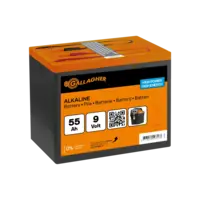
Gallagher 9V/55 Ah alkaline Powerpack battery for 9V energisers. Mercury and cadmium free, long-lasting, environmentally friendly, and provides constant voltage for reliable fence operation.


- Suitable for the solar energisers: S10, S16 & S20
- Alkaline 6 V battery
- Capacity: 4 Ah

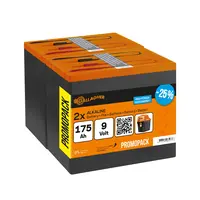
Gallagher Energiser Battery Duopack 9V/175Ah – High-performance alkaline batteries for energisers. Features 9V power, 175Ah capacity, and eco-friendly mercury-free design. Compact (19 x 12.5 x 16 cm) and long-lasting. Your value pack at an economy price!

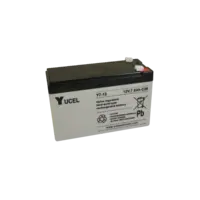
Hotline 12V Sealed Lead Acid Battery (7Ah) for Fire Drake 34 energiser. Maintenance-free, deep cycle, and rechargeable for reliable, long-lasting power in electric fencing systems.

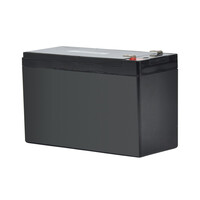
- Suitable for the solar energisers: S200 & S400
- Replacement battery
-12 V battery
- Capacity: 7.2 Ah

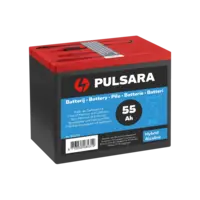
The Pulsara Hybrid Alkaline 9V/55Ah Small Box offers maximum efficiency and long-lasting power in a compact 160x110x115mm casing. Ideal for various applications, this reliable battery delivers proven performance.

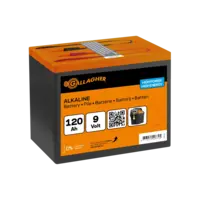
- Powerpack battery
- Alkaline 9 V battery
- Capacity: 120 Ah
- L x B x H: 160 x 110 x 115 mm

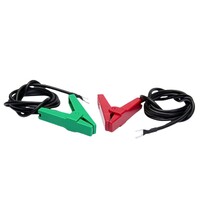
Replacement live and earth leads for Shrike energisers, featuring heavy-gauge copper wire, durable insulation, and strong plastic clips for reliable fence performance. Ideal for keeping your electric fencing running efficiently in all conditions.

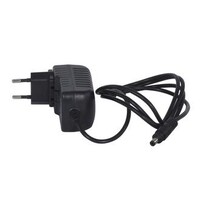
- Suitable for the Gallagher energisers:B20, B35, B40, B50, B100, B200, B300, MB150, MB300, MBS200, MBS400 & MBS800
- UK plug
- Connect an energiser with 230V


- Suitable for the solar energiser: S40
- 6 V battery
- Capacity: 10 Ah

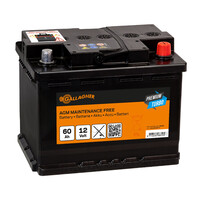
This Gallagher Premium Electric Fence Battery is a strong a power source designed for demanding electric fence systems. Ready to use out of the box, this efficient 12V battery supports both standard charging and solar setups.


Hotline Spare 12V Battery Lead for Shrike energiser (47HLB100). Durable replacement cable ensures reliable power connection for your electric fencing system.

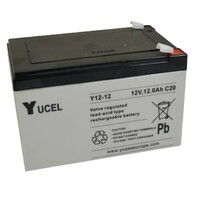
he Hotline Sealed Lead Acid Battery delivers 12V, 12Ah of reliable power for Fire Drake energisers. Its sealed‑for‑life deep cycle design is maintenance‑free and built for durability. Rechargeable and compatible with Fire Drake 67, and 200 models.

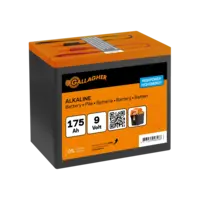
- Powerpack battery
- Alkaline 9 V battery
- Capacity: 175 Ah
- L x D x H: 19 x 12.5 x 16 cm

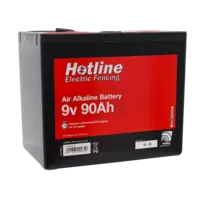
Hotline Super Hawk 9V 90Ah air alkaline battery with a constant high voltage curve for optimum energiser performance. Mercury and cadmium free, long-lasting, and designed for the Super Hawk energiser.

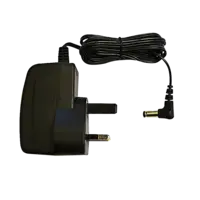
Hotline mains power adaptor for Raptor and Gemini energisers. Reliable mains supply for continuous operation, compatible with multiple Raptor and Gemini models.

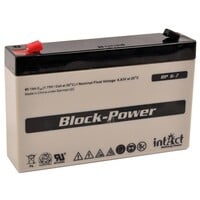
6V battery for a Gallagher solar device S17 or Gallagher solar device S22 (also for S15).

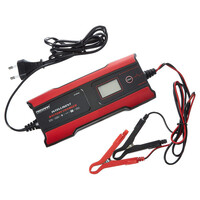
- A multi-purpose battery charger that can be used for both 6 and 12 Volt batteries.
- Suitable for all types of batteries, batteries up to 95Ah can be charged and batteries up to 140Ah maintenance charged.

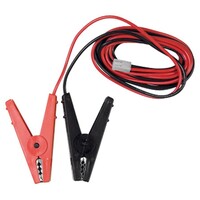
- Suitable for the Gallagher energisers: B40, B50, B100, B200 B300, S220, S230
- Connect an energiser to a 12V battery

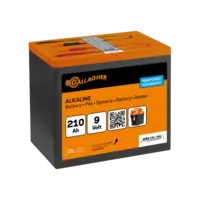
- Powerpack battery
- Alkaline 9 V battery
- Capacity: 210 Ah
- L x D x H: 190 x 125 x 160 mm