Corrals are becoming an increasingly useful part of horse management in the UK, offering flexible ways to keep horses safe, settled, and well‑managed in a variety of situations. Whether you’re travelling to events, working on groundwork, managing restricted grazing, or simply needing a controlled space. Corrals provide practical solutions that complement traditional paddocks. From portable electric fence corrals to round training pens, understanding how these systems work can help owners choose the best setup for their needs.
What is a horse corral?
A horse corral is a contained area used to safely hold horses for short or extended periods. While paddocks in the UK are generally larger, grass‑based spaces for grazing, corrals offer a more controlled environment. They are particularly useful for travel, restricted grazing, rehabilitation, groundwork, or managing horses individually. Whether you’re using a portable horse corral, a round horse corral, or a simple electric fence setup, the purpose remains the same: to keep horses secure, comfortable, and safe.
Portable horse corrals
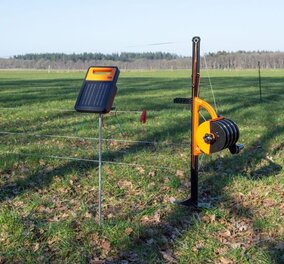
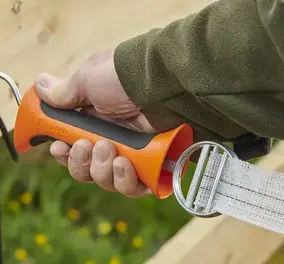
Portable horse corrals have become increasingly popular among riders who travel for lessons, clinics, camps, endurance events, and shows. These lightweight systems are constructed with electric tape or rope, plastic posts, and a compact portable energiser. They provide a secure temporary space for a horse in a corral away from home. We would recommend to use either a battery energiser or a solar energiser as they are very portable.
A major advantage of temporary corrals is their flexibility. They fit easily into a car or horsebox and can be erected quickly. This allow horses more freedom to move than being tied to a lorry for hours. Many UK endurance riders rely heavily on portable corrals as a practical solution for overnight stays and rest stops during longer rides.
Round horse corrals
A round horse corral, sometimes called a round pen, is a circular enclosure designed for training, groundwork, and starting young horses. Although less common in the UK than in some countries, round corrals are gaining popularity thanks to their usefulness in creating a controlled, distraction‑free environment.
The circular shape encourages horses to move forward without getting stuck in corners, making it easier for the handler to maintain consistent communication. Permanent round corrals are typically built from metal panels or timber, creating a strong and visible boundary that helps horses feel secure. Temporary corrals are created using plastic posts with either electric fence tape or electric fence rope.
Horse behaviour in a corral
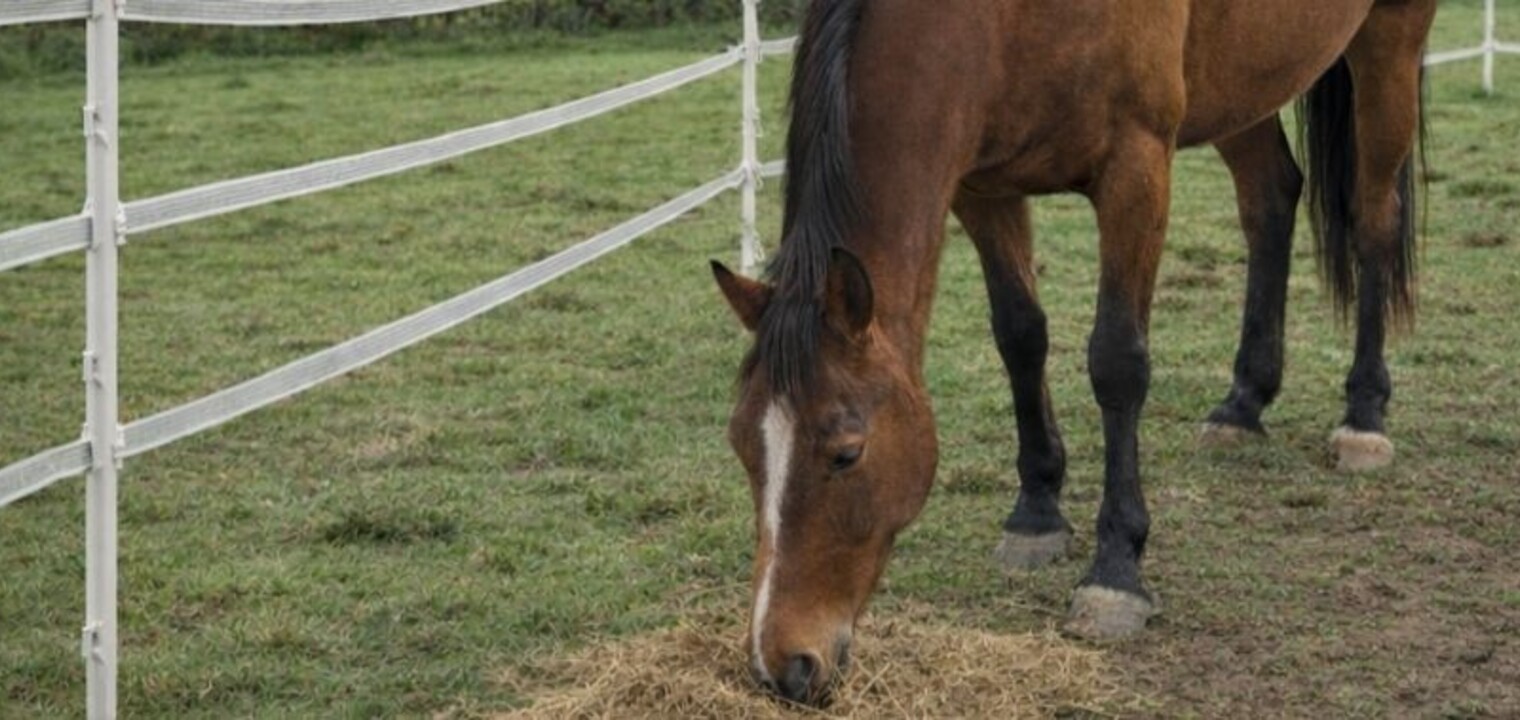
Watching horses in a corral can reveal a lot about their behaviour. A horse in a corral will usually explore its boundaries first, checking the space and assessing its surroundings. Many settle quickly, showing signs of relaxation such as resting a hind leg, grazing (if grass is available), or having a roll.
Some horses may pace or call if they feel anxious, particularly when first separated from a companion. These behaviours usually improve as the horse becomes familiar with the corral environment. Understanding how horses react helps owners create a space where horses feel safe and calm.
Corrals vs paddocks
Corrals and paddocks each serve different purposes within horse care. While paddocks offer natural grazing and herd turnout, corrals provide structure and control.
A paddock allows horses more room and is suited for general turnout and group living. A corral is more targeted: ideal for restricted grazing, diet management, short‑term confinement, events, veterinary recovery, and temporary accommodation. Using both a paddock and corral together gives owners more flexibility across seasons and individual health needs.
Electric fence corrals
Electric fence corrals are one of the most practical and cost‑effective options for UK horse owners. When properly set up, they offer a safe and highly visible boundary that deters horses from leaning or pushing against the fence.
Electric fencing is also incredibly versatile. It suits everything from small temporary holding areas to larger portable horse corrals used at events. The portability and speed of setup make them especially popular for riders who travel frequently.
Key safety tips include
- Use wide electric tape or rope rather than thin wire
- Ensure the energiser provides consistent voltage
- Check the fence daily for tension and visibility
- Always provide water, forage, and appropriate shelter
With proper handling, electric fence corrals are both safe and highly effective.
Caring for horses in a corral
Good horse care is essential no matter the size or style of corral. Horses should always have access to clean water and forage, and the footing must be safe and free from deep mud or slippery patches. Owners should check on horses regularly, observing behaviour for signs of stress, boredom, or discomfort. Shade or weather protection may also be necessary, depending on the time of year. When managed well, horses can be perfectly content and relaxed within a corral environment.
Final thoughts
Whether you use a portable horse corral for travelling, a permanent horse corral for regular training, or an electric fence corral for temporary turnout, these systems provide invaluable flexibility for modern horse care. They complement traditional paddocks, help manage individual needs, and create safe spaces that support both horse behaviour and wellbeing. Having a range of corral options available allows UK horse owners to adapt to changing conditions, events, and the unique personalities of their horses.

Fencing Expert at Electric fence Online & Farmer
Stephen grew up on a farm and now runs a smallholding of his own in Devon. With a genuine passion for animals and the countryside, he enjoys sharing his experience and offering support to others on their farming journey.